What Childhood Bullying Taught Me About Checking in With My Kids
Five Questions to Help Build Connections with our Kids
Samoy Mainda – Kansas City Outreach Associate
It was sixth grade. A student pulled a chair from underneath me as I was sitting down. When I hit the floor, it made a loud noise. Because I was a plus-size child, students laughed, called it an earthquake, and pretended the room was shaking. What may have been a joke to them became pain that I carried with me.
The bullying, along with other childhood trauma, affected my mental health. There were times when I wanted to stop eating and even thought about harming myself. Looking back, I realize some of my actions were a cry for help. I did not know how to go to my mom and tell her what I was going through.
Eventually, I cried out to one of my best friends. I trusted her enough to tell her what was happening and how I was feeling. My friend told her mom and then her mom told my mom. At the time, I was so upset with her, but today, I look at that moment very differently. Had I not opened up to my best friend, there is no telling where I would be today.
Once my mom knew what I was going through, our communication began to change. She started asking me questions and checking in with me more. Those conversations helped carry me through a difficult time in my life. Years later, that experience has carried into the way I raise my own children.
Asking the right questions
In our home, we talk together as a family, but I also believe children need individual time with their parents—especially when you have multiple children like I do.
I try to spend about 20 minutes one-on-one with each of my children. It is our time to talk without siblings listening, interrupting, or answering for one another. We don’t have an interview; sometimes it can be while they do a favorite activity like soccer drills or doing hair or a shared chore.
The questions simply become part of our conversation. I may ask one or two during our time together and another on a different day. What matters is giving them room to talk and knowing what is happening in their lives.
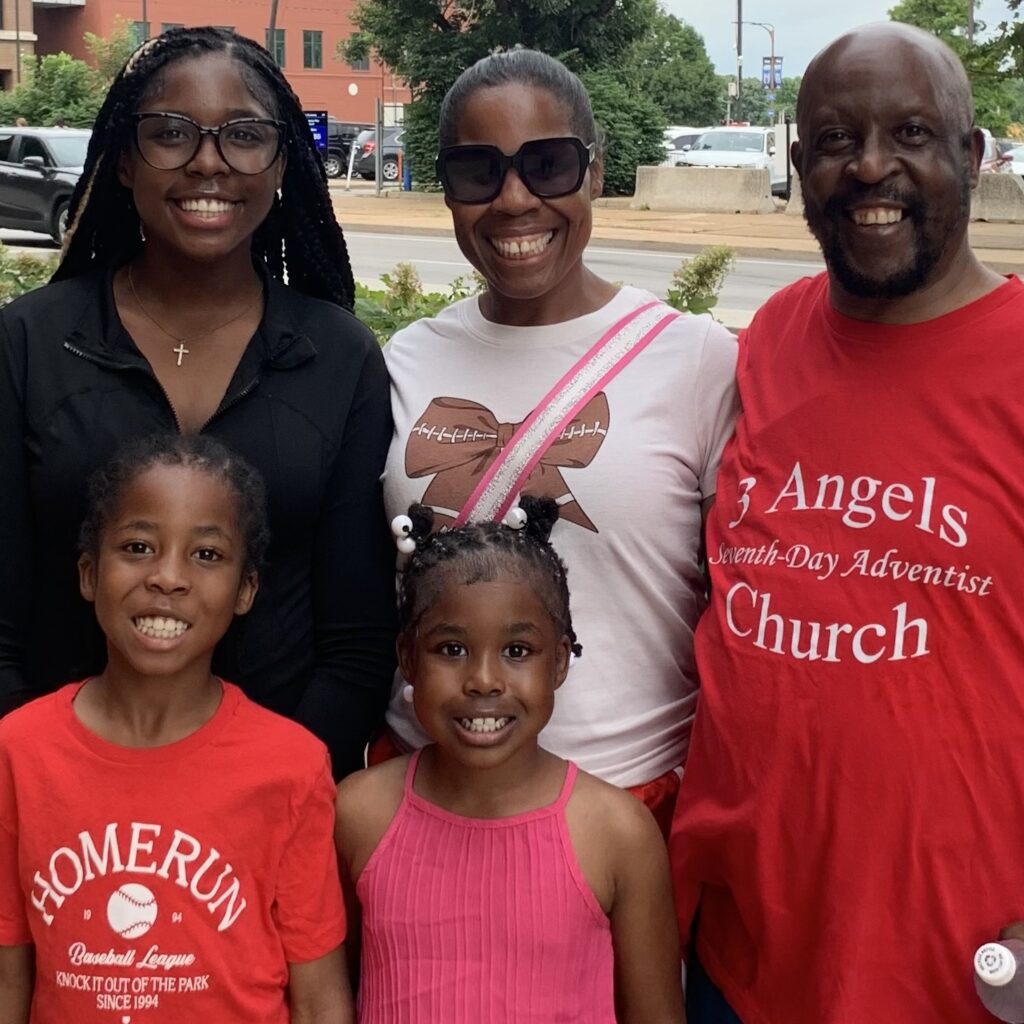
Those conversations also look different depending on the child. I cannot talk to Hannah, a junior in high school, the same way I talk to Seth in third grade or Gabby in second grade. I meet each of them at a level they understand.
Here are five questions that can help parents and caregivers create those conversations.
1. What was the best part of your day, and what was the hardest part?
This moves us beyond “good” and gives children an opportunity to share both the positive and difficult moments of their day.
2. Did anyone make you feel uncomfortable, embarrassed, left out, or unsafe?
Bullying does not always look like a fight. It can be teasing, hurtful jokes, comments about someone’s body, being left out on purpose, or things happening online. Something one child thinks is funny can leave another child hurting long after the laughter stops.
3. Who did you spend time with today, and how did you feel around them?
Knowing who our children spend time with is important, but knowing how those people make them feel can tell us even more. This opens the door to conversations about healthy friendships, peer pressure, and feeling accepted.
4. What feeling did you have the most today?
Happy? Worried? Angry? Lonely? Excited? Stressed?
Children may not always know how to say, “I’m struggling with my mental health.” Helping them name their emotions can make it easier for them to explain what they are experiencing.
5. Is there anything you wanted to tell me but were afraid to?
This question means the most to me because I think about the child I once was. I was afraid to tell my mom, so I told my best friend. Thankfully, she cared enough about me to tell an adult, even though I was angry with her at the time.
Sometimes children need help starting the conversation. They may be embarrassed, afraid of getting in trouble, or unsure of how we will react.
Ask Before There Is a Problem
My best friend speaking up helped change the course of my life. My mom asking questions afterward helped strengthen our communication. And now, as a mother, I understand why those questions matter so much. Sometimes, one more question may be exactly what a child needs to finally tell us what isreally going on.
I cannot go back and change what happened to me, but I can allow those experiences to shape how I show up for Hannah, Seth, and Gabby. Mental health conversations should not begin only when something is wrong. Ask about school. Ask about friendships. Ask about feelings. Then give your child the time and safety to answer.
« Previous Post: HB 1552, Three Years Later
» Next Post: